Day 1
Tokyo Station + Ginza
Use Tokyo Station, Marunouchi, Gransta-style food, and Ginza indoor shopping as a low-exposure central day.
- Tokyo Station / Gransta / Marunouchi
- Ginza indoor shopping

An indoor-friendly Tokyo itinerary for wet-weather days, with museums, food halls, shopping, cafes, and easy station access.
Tokyo rain is easiest when the day is built around station-connected clusters, museums, food halls, and cafes instead of exposed neighborhood wandering. This plan keeps walking short, gives each day a clear indoor base, and leaves room to swap stops when showers change intensity.
Day 1
Use Tokyo Station, Marunouchi, Gransta-style food, and Ginza indoor shopping as a low-exposure central day.
Day 2
Build the day around a museum block, then keep dinner and cafes close so rain does not control the whole afternoon.
Day 3
Choose Shibuya for shopping and food halls, or Toyosu for an immersive indoor anchor if booking and weather line up.
Stop 01
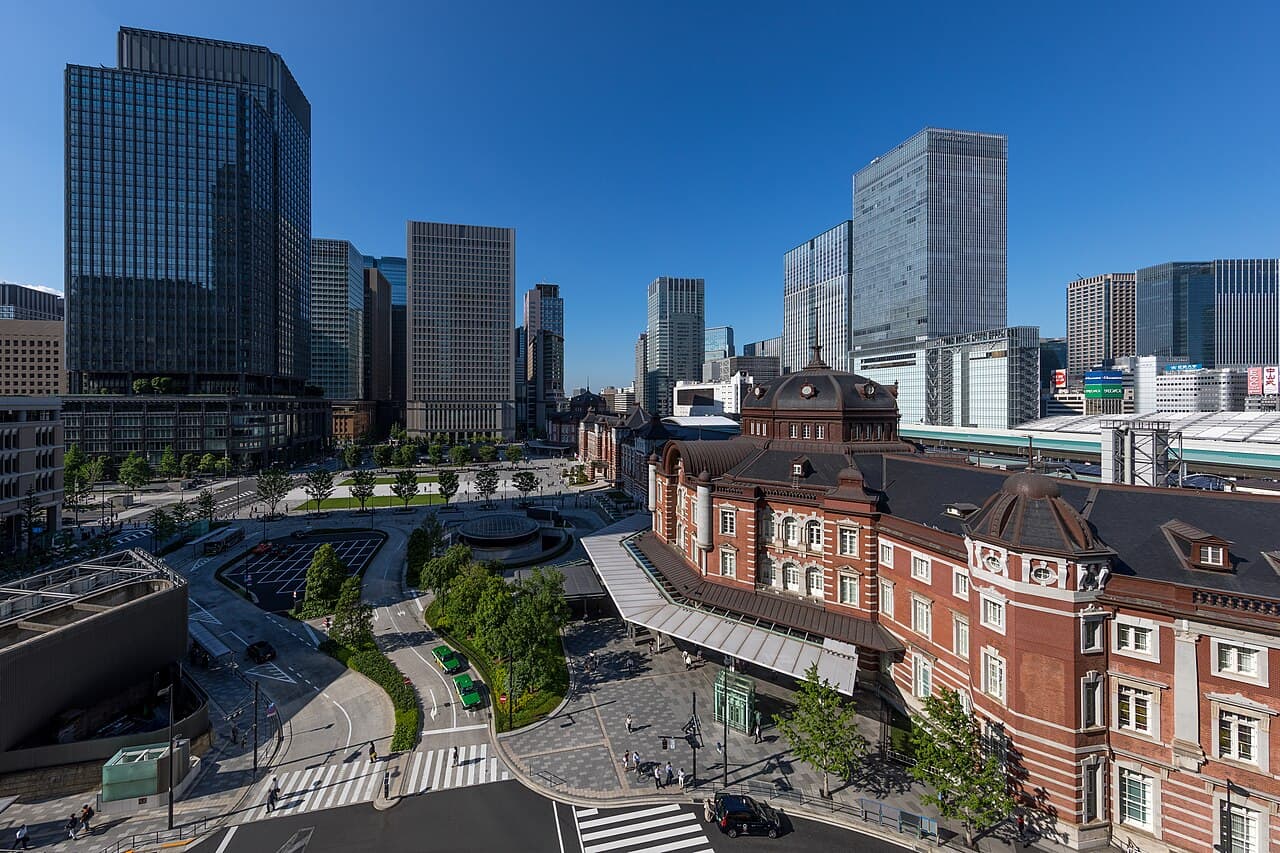
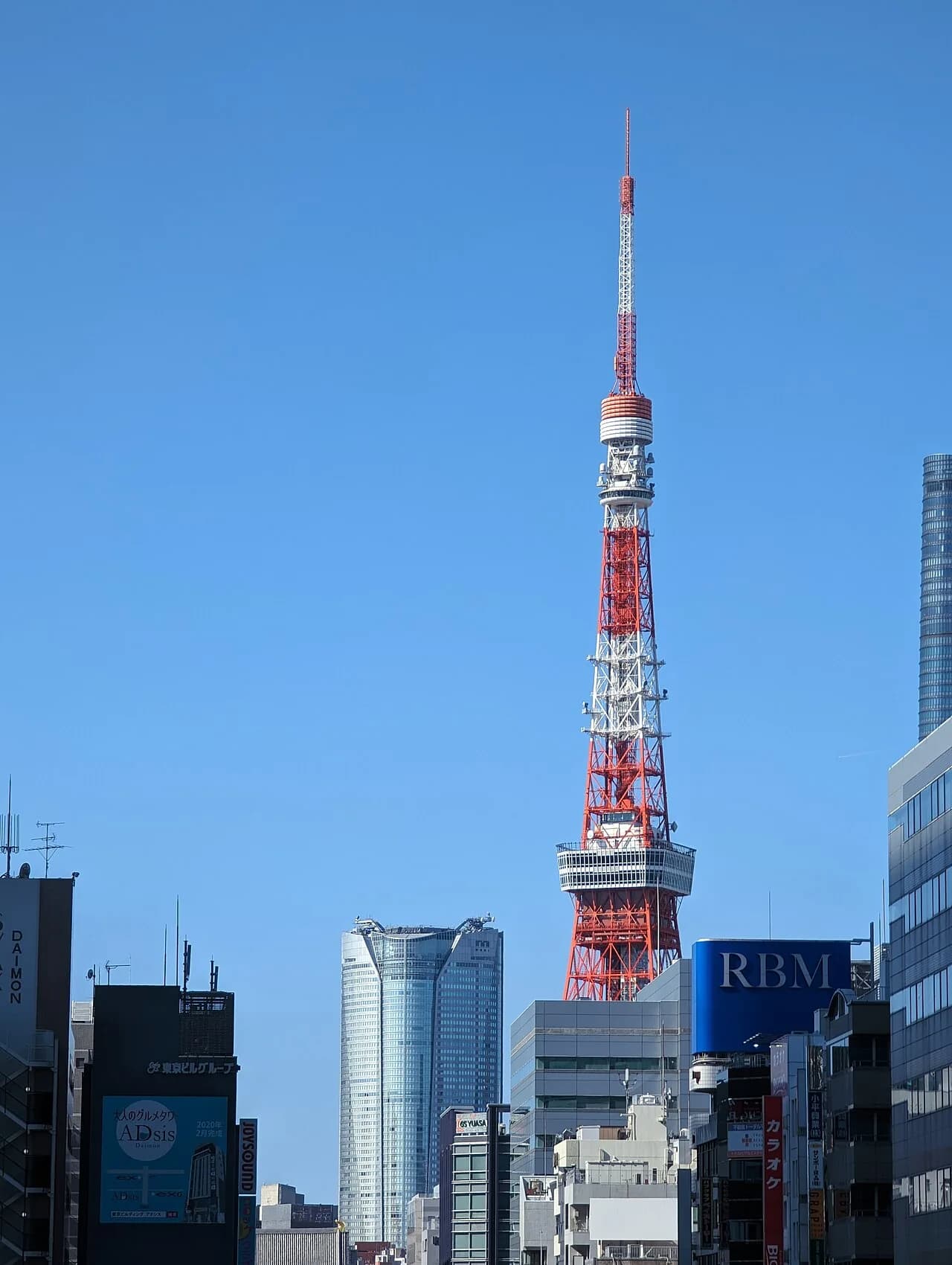
Tokyo Station is a strong rainy-day base because food, shops, rail connections, and covered passages sit close together. Use it for breakfast, snacks, a short architecture look, and a practical reset before moving anywhere else.
It gives the rainy-day route a central base with minimal exposure.
Station complexes can be confusing. Pick one food area or exit zone instead of trying to cover everything underground.
Stop 02
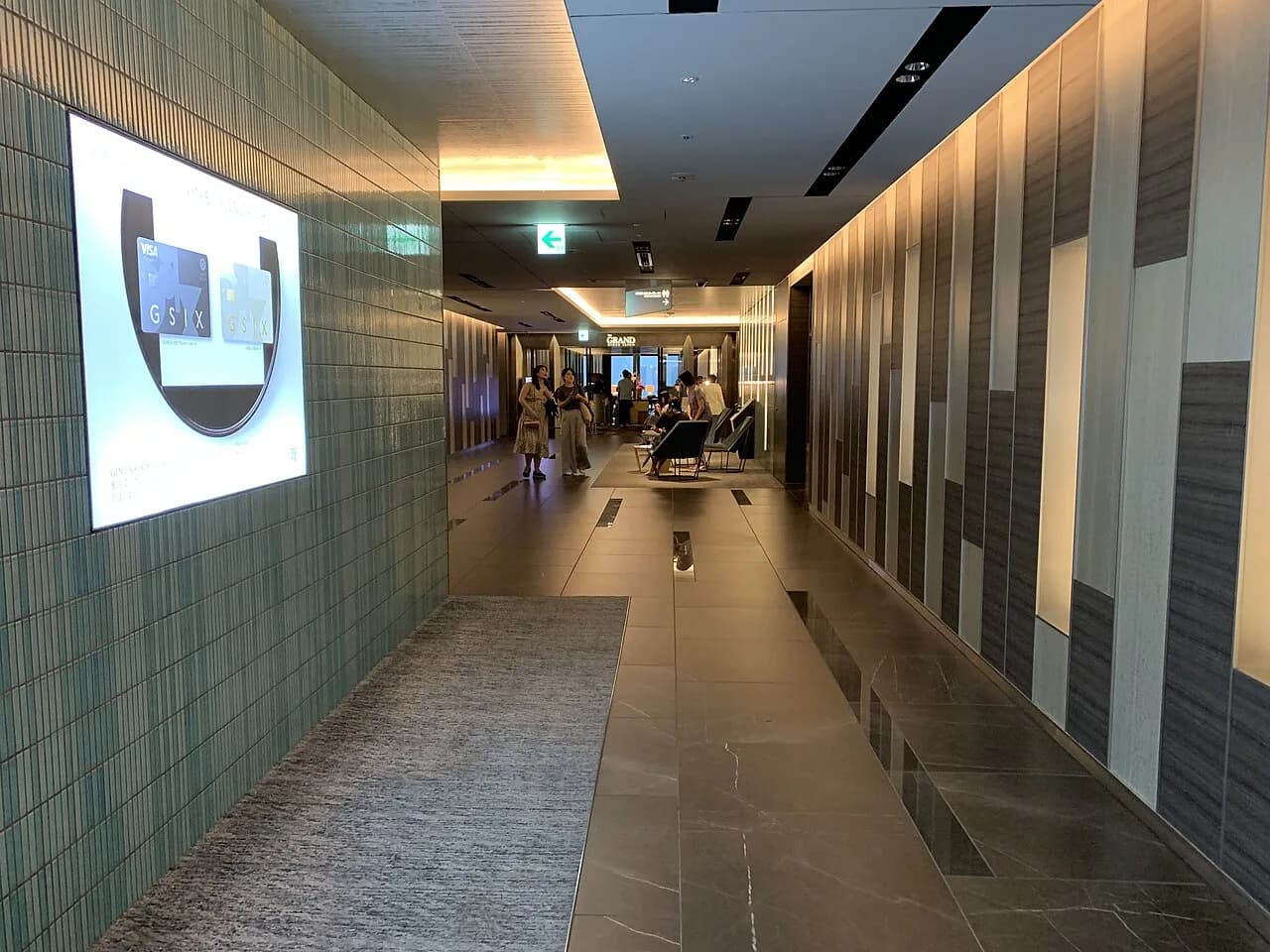
Ginza works in rain because department stores, cafes, basement food halls, galleries, and station access make the neighborhood manageable.
It keeps the day useful without forcing a wet street itinerary.
Move through one or two buildings well rather than hopping between too many addresses in heavy rain.
Aitin can adjust this route around your dates, pace, travel buddies, budget, and saved ideas.
Stop 03
A Roppongi museum block is a good rainy-day anchor when you want culture, cafes, and indoor movement in one area. Use current exhibitions to decide whether Mori Art Museum, another gallery, or a nearby indoor option fits best.
It gives the route a real cultural stop instead of making the whole plan malls.
Check current exhibition schedules and ticket rules. Do not assume every museum is open every day.
Stop 04
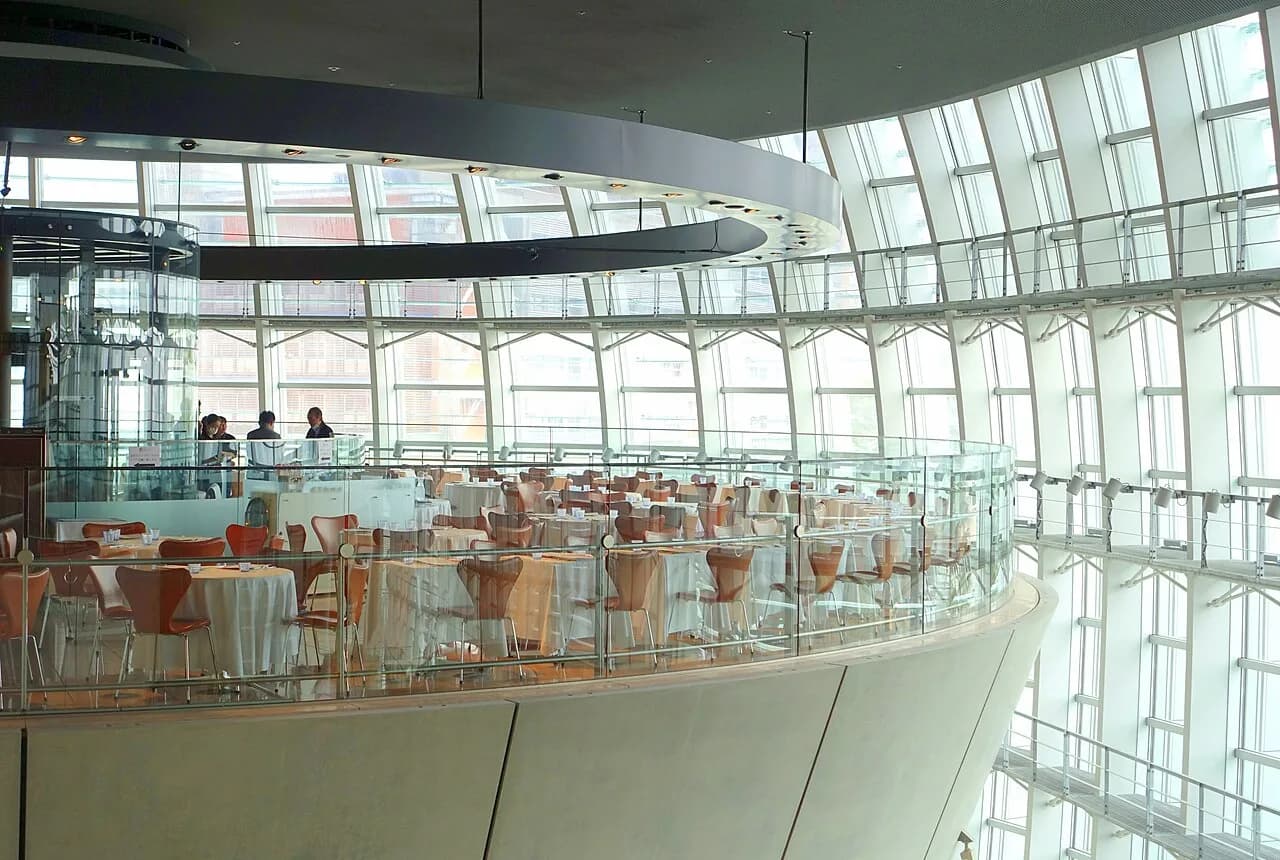
The National Art Center Tokyo area can work as a second museum option if the exhibitions fit your taste. It is best used as a backup or swap within the Roppongi day, not an automatic extra stop.
Rainy-day plans need swaps so the route can adapt to exhibition schedules and energy.
Confirm exhibitions before going. If nothing appeals, stay with cafes, shops, or a single museum instead of forcing it.
Stop 05
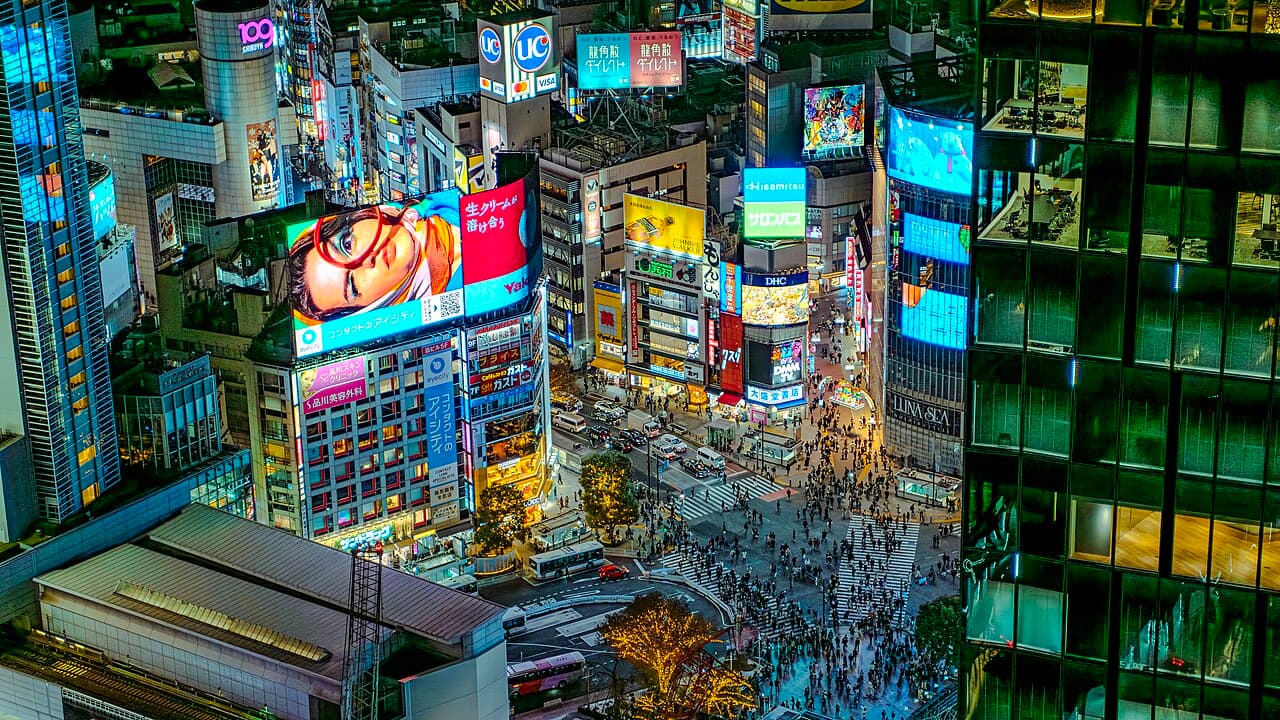
Shibuya is still useful in rain if you treat it as an indoor cluster rather than an outdoor scramble. Use station-linked malls, food halls, and cafes, then step outside only for short moments when the weather eases.
It keeps a classic Tokyo neighborhood in the plan while respecting the forecast.
Avoid long exposed walks between distant Shibuya addresses. Pick one cluster and stay close.
Stop 06
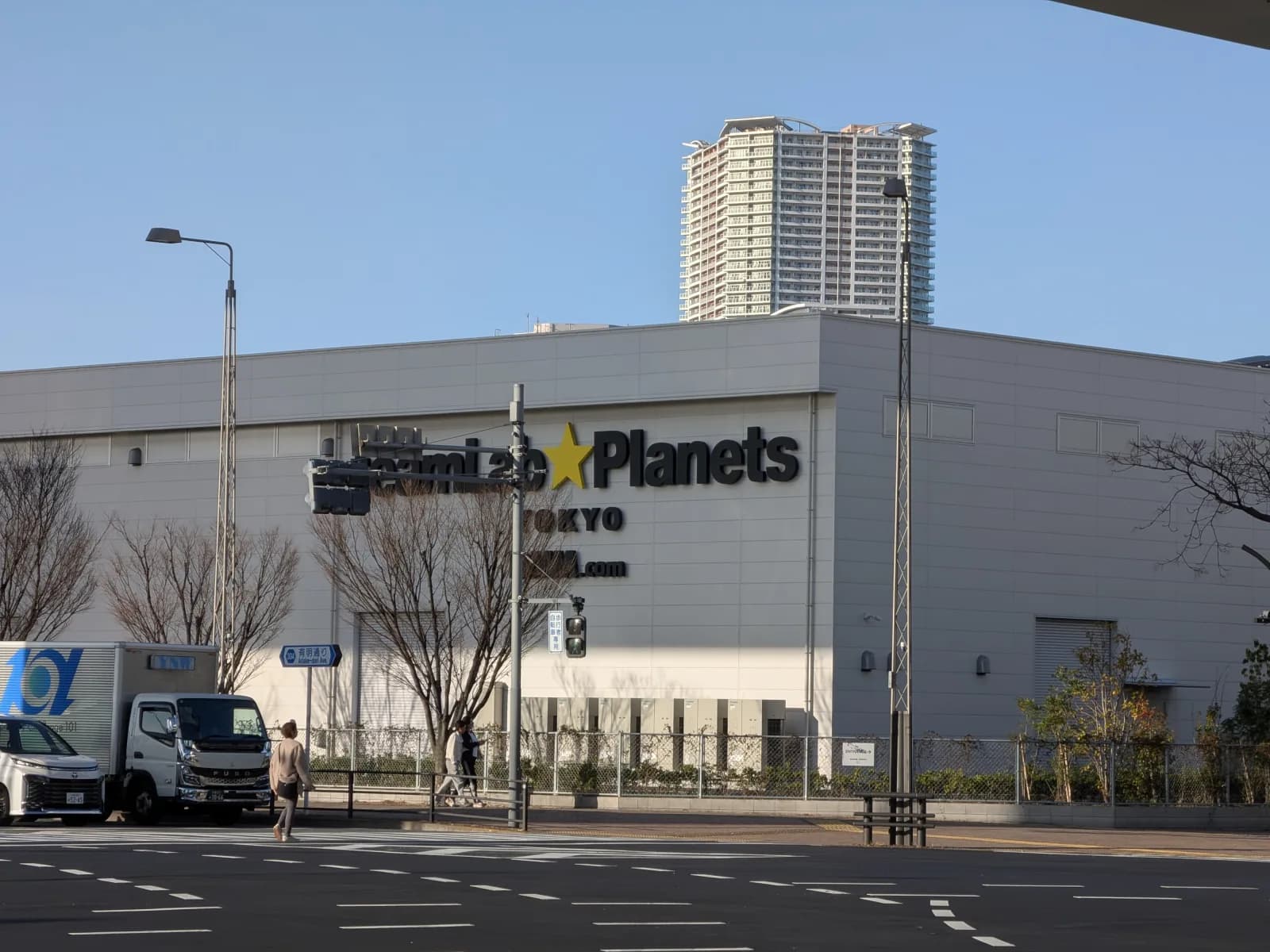
Toyosu can work when you have a booked indoor attraction or want a more spacious food-and-waterfront cluster. It should be planned around the reservation, not added casually after a busy morning.
It gives the rainy-day plan a memorable indoor highlight without requiring exposed wandering.
Reserve ahead if required and check current entry rules. If tickets do not fit, use Shibuya or Shinjuku instead.
Stop 07
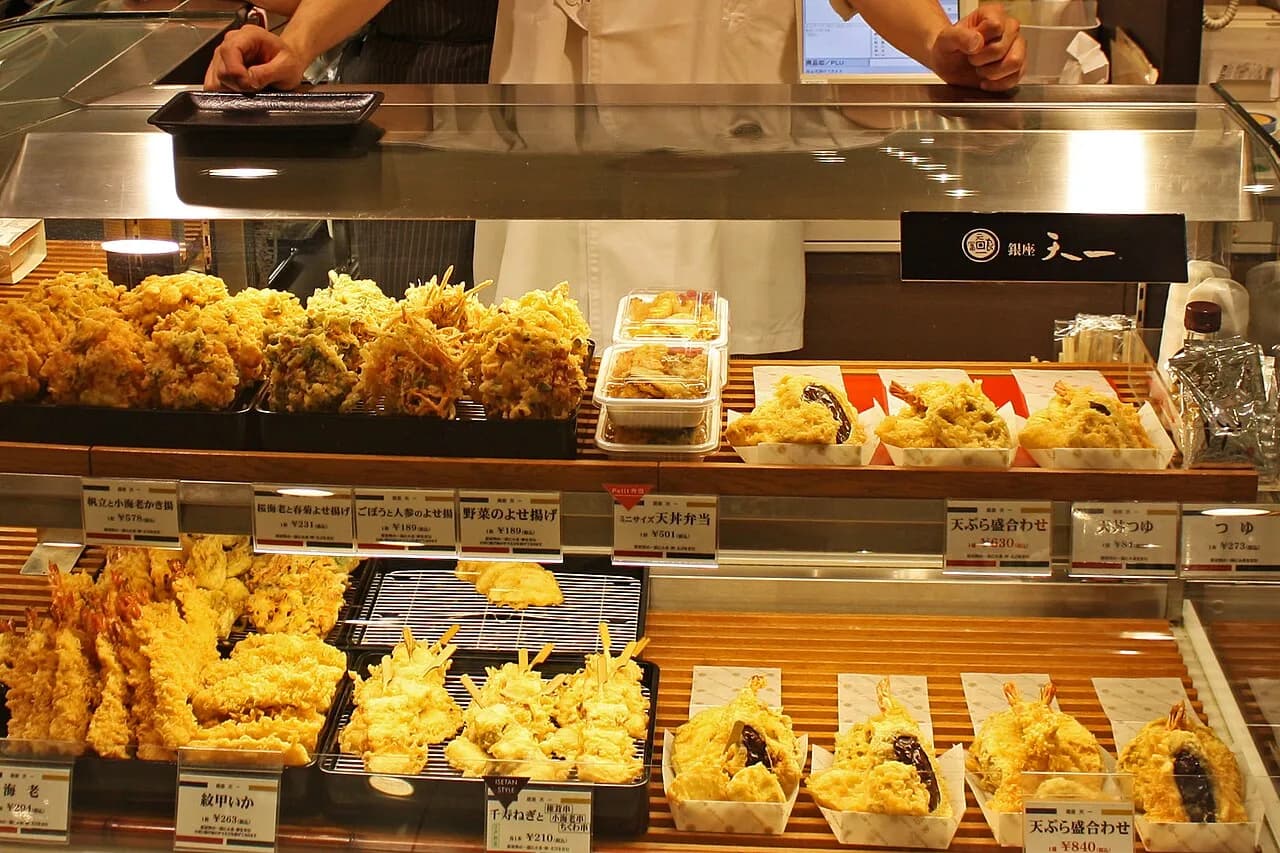
Shinjuku food halls are a practical rainy-night move: dinner options, sweets, takeaway, transit, and covered routes close together. It is not a calm area, but it is efficient when the weather is bad.
It turns a wet evening into a simple food-focused finish.
Stations and department stores can be crowded. Choose one building or food hall and keep the plan simple.
Travelers who want Tokyo options when rain makes parks, long shopping streets, and exposed neighborhood walks less appealing.
Build each day around one station-connected cluster, then add only one nearby museum, food hall, or cafe block.
Use rail for predictable movement, but remember that station transfers may still involve stairs, crowds, and short uncovered stretches.
Keep outdoor-photo moments short and opportunistic. If rain clears, add a small walk; if it intensifies, stay inside the current cluster.
Open Aitin to personalize the route, save your trip, replace stops, export a PDF, and prepare before departure.
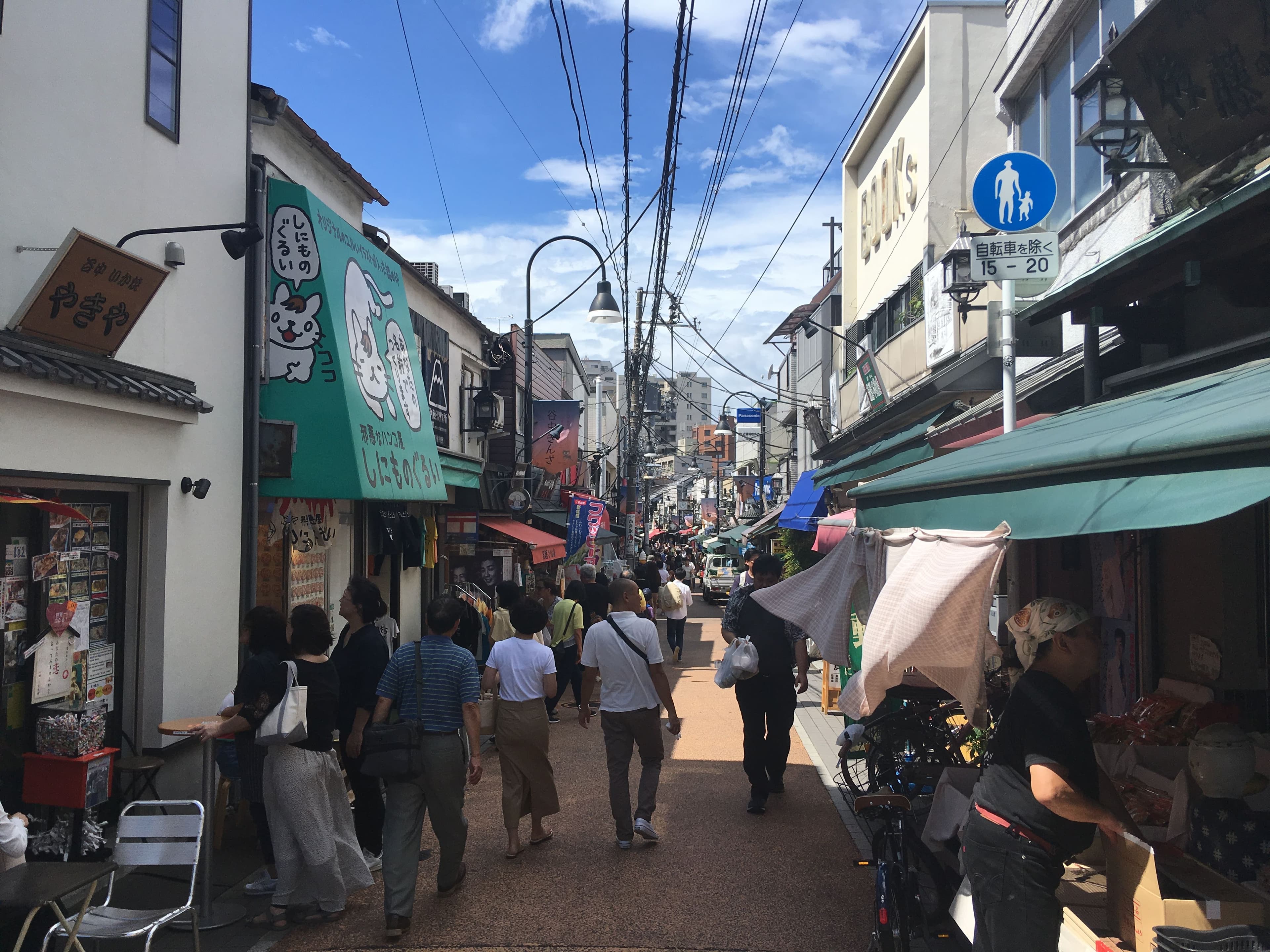
A slower Tokyo route for neighborhoods, cafes, food streets, small shops, and everyday city texture.
View trip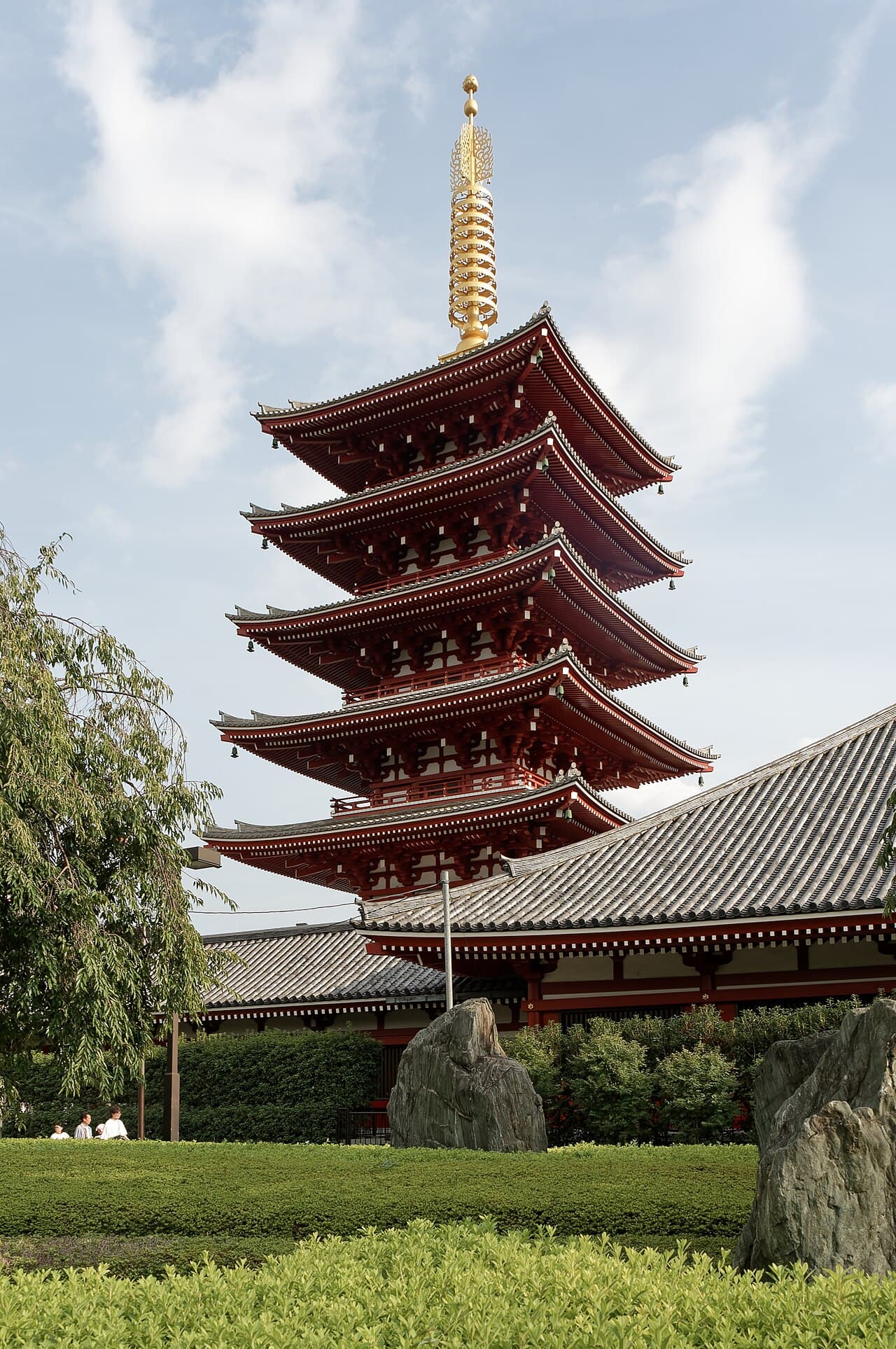
A classic Tokyo itinerary for first-time visitors who want iconic neighborhoods, food, culture, shopping, and easy pacing.
View trip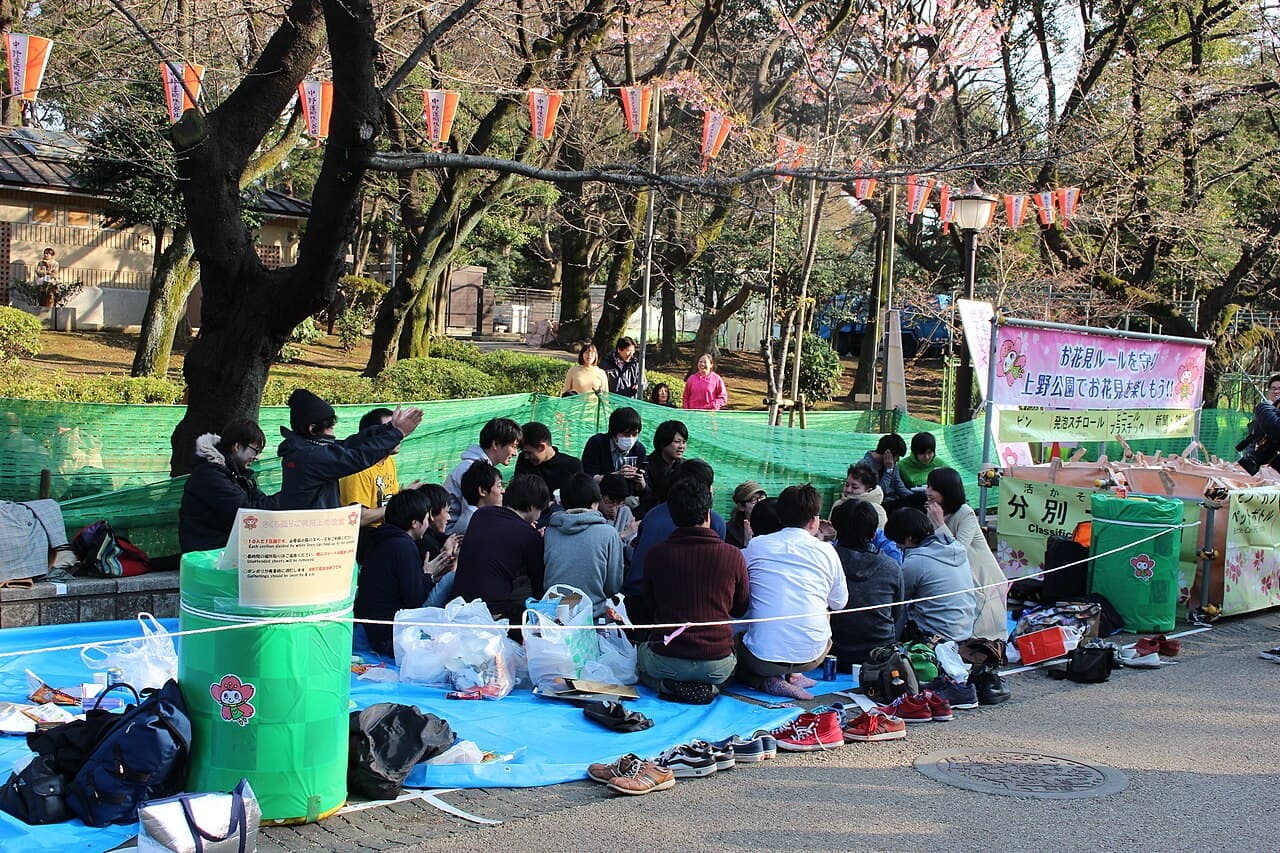
A family-friendly Tokyo itinerary with easier pacing, indoor breaks, playful stops, and flexible food options.
View trip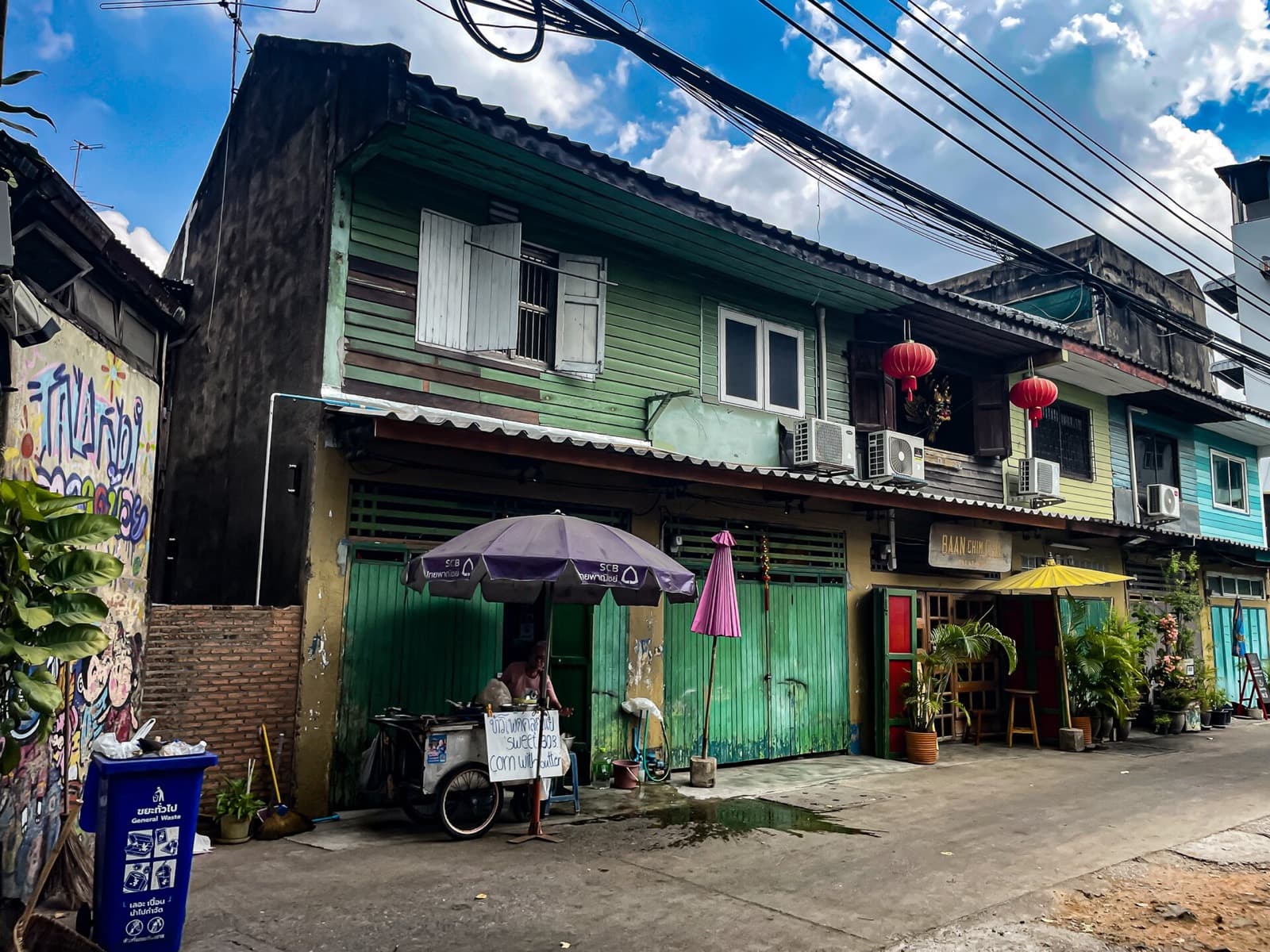
A local-leaning Bangkok route for food, neighborhoods, creative corners, and slower discovery.
View trip