Day 1
Old Tokyo lanes + quiet shrine time
Start in Yanaka, fold in Nezu Shrine, then move slowly enough that small shops, cats, snacks, and side streets can shape the day.
- Yanaka Ginza
- Nezu Shrine / Nezu area
- Kagurazaka

A slower Tokyo route for neighborhoods, cafes, food streets, small shops, and everyday city texture.
This Tokyo trip is for travelers who want the city at walking speed: old shopping streets, small shrines, coffee neighborhoods, independent shops, and food streets where the best plan is to leave room for the place you notice next. It keeps each day clustered so Tokyo feels layered rather than exhausting.
Jump to any stop in this itinerary.
Day 1
Start in Yanaka, fold in Nezu Shrine, then move slowly enough that small shops, cats, snacks, and side streets can shape the day.
Day 2
Use Kuramae and Kiyosumi-Shirakawa for a slower east Tokyo day built around coffee, design shops, river views, and low-pressure wandering.
Day 3
Let the final day lean casual: Shimokitazawa for vintage and indie shops, Koenji for neighborhood energy, and Togoshi Ginza if you want a food-street finish.
Stop 01
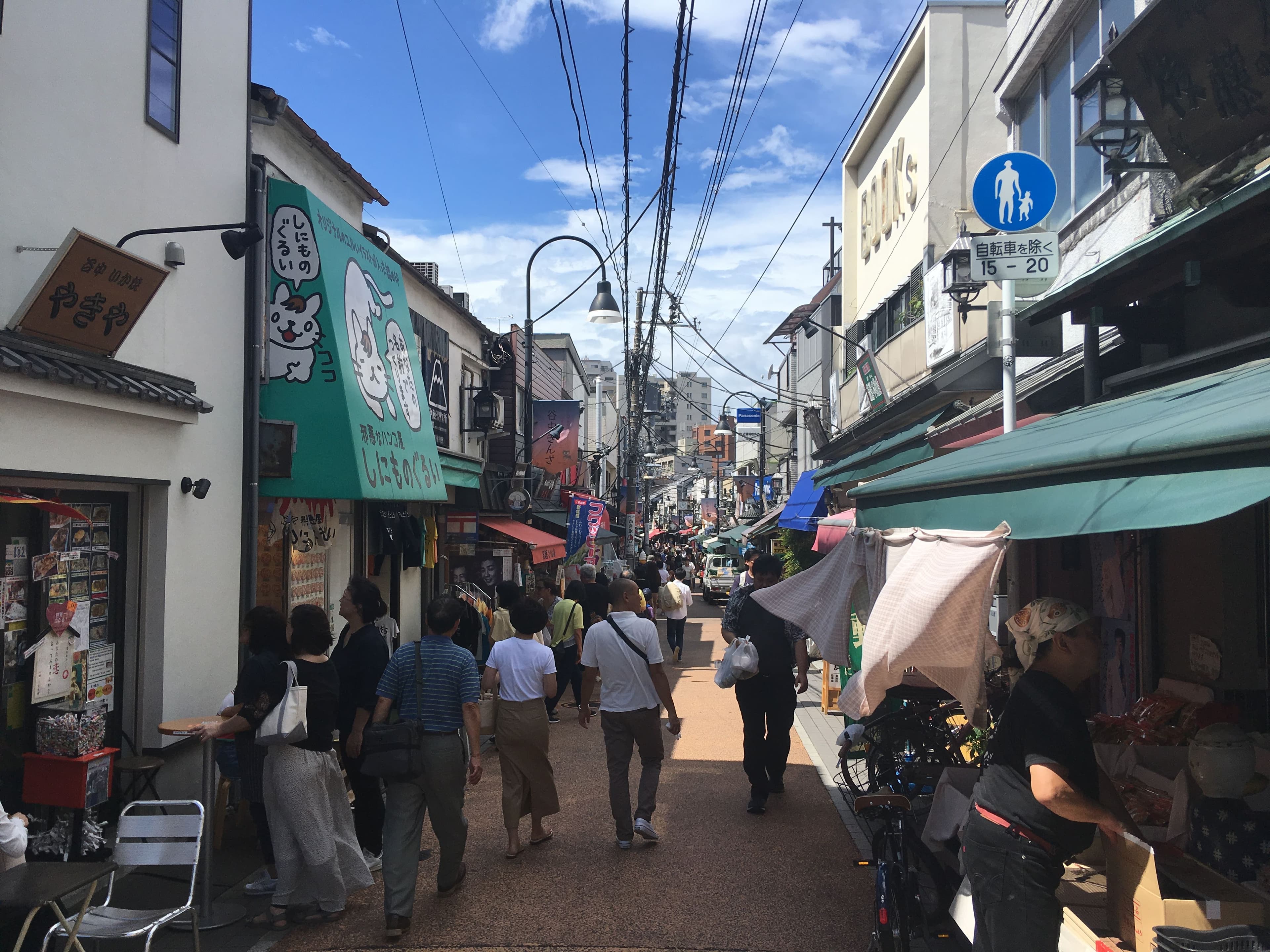
Yanaka Ginza is a gentle Tokyo opener: low-rise streets, small snack shops, neighborhood groceries, old-storefront texture, and a pace that feels far from the biggest station crowds. It works best when you treat it as a stroll rather than a single attraction.
It sets the route up as a neighborhood trip, not a landmark checklist.
Go earlier in the day for a calmer walk. Some small shops keep irregular hours, so let the area be the experience rather than one specific storefront.
Stop 02
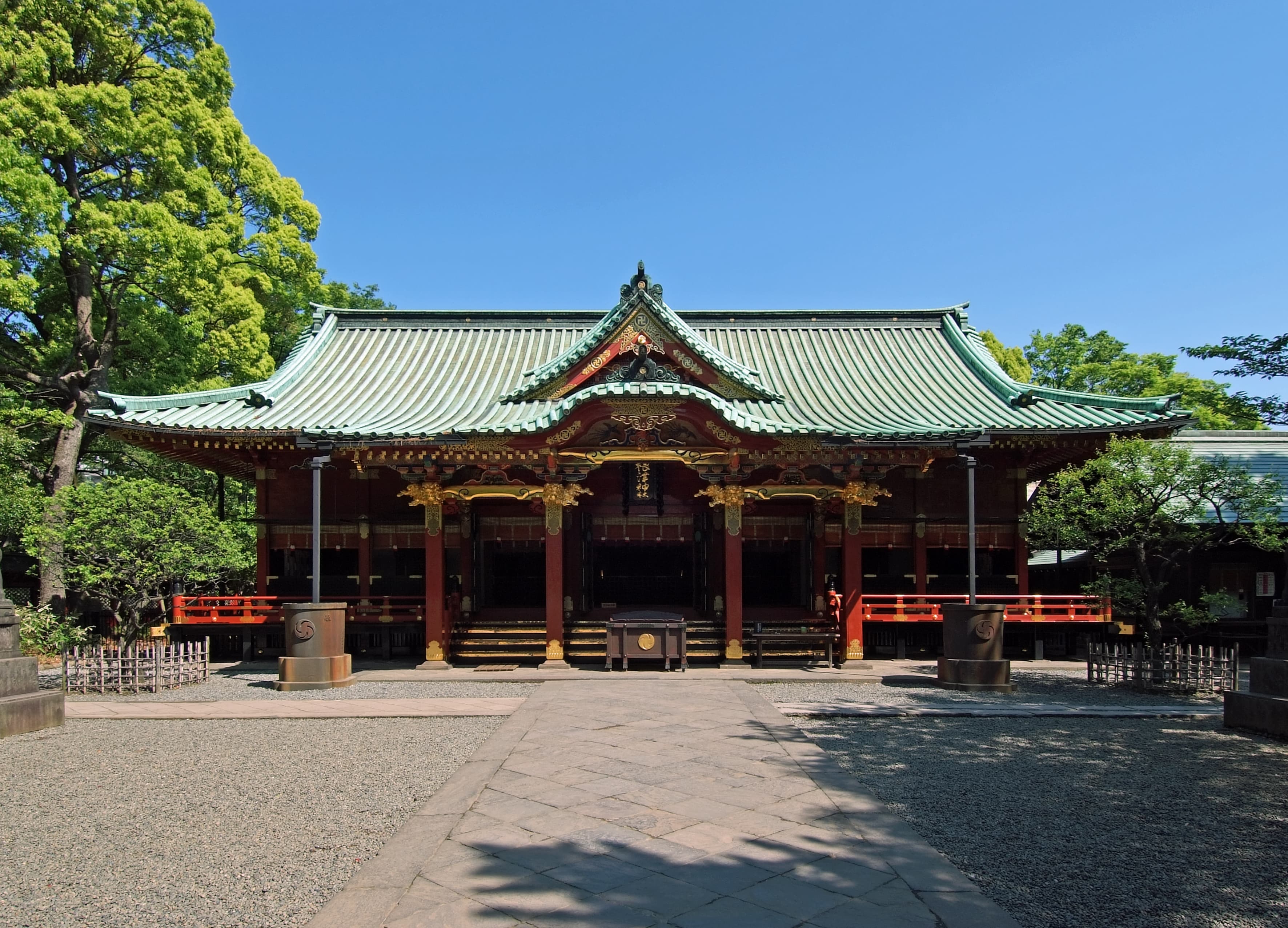
Nezu Shrine adds a quiet cultural stop without pulling the day into heavy sightseeing. The shrine grounds, vermilion gates, neighborhood streets, and nearby cafes make it a natural companion to Yanaka and Sendagi.
It gives the local-gems route a rooted Tokyo moment while keeping the day compact.
Check current festival or garden access details if you are visiting during azalea season. Keep the visit flexible in wet weather.
Aitin can adjust this route around your dates, pace, travel buddies, budget, and saved ideas.
Stop 03
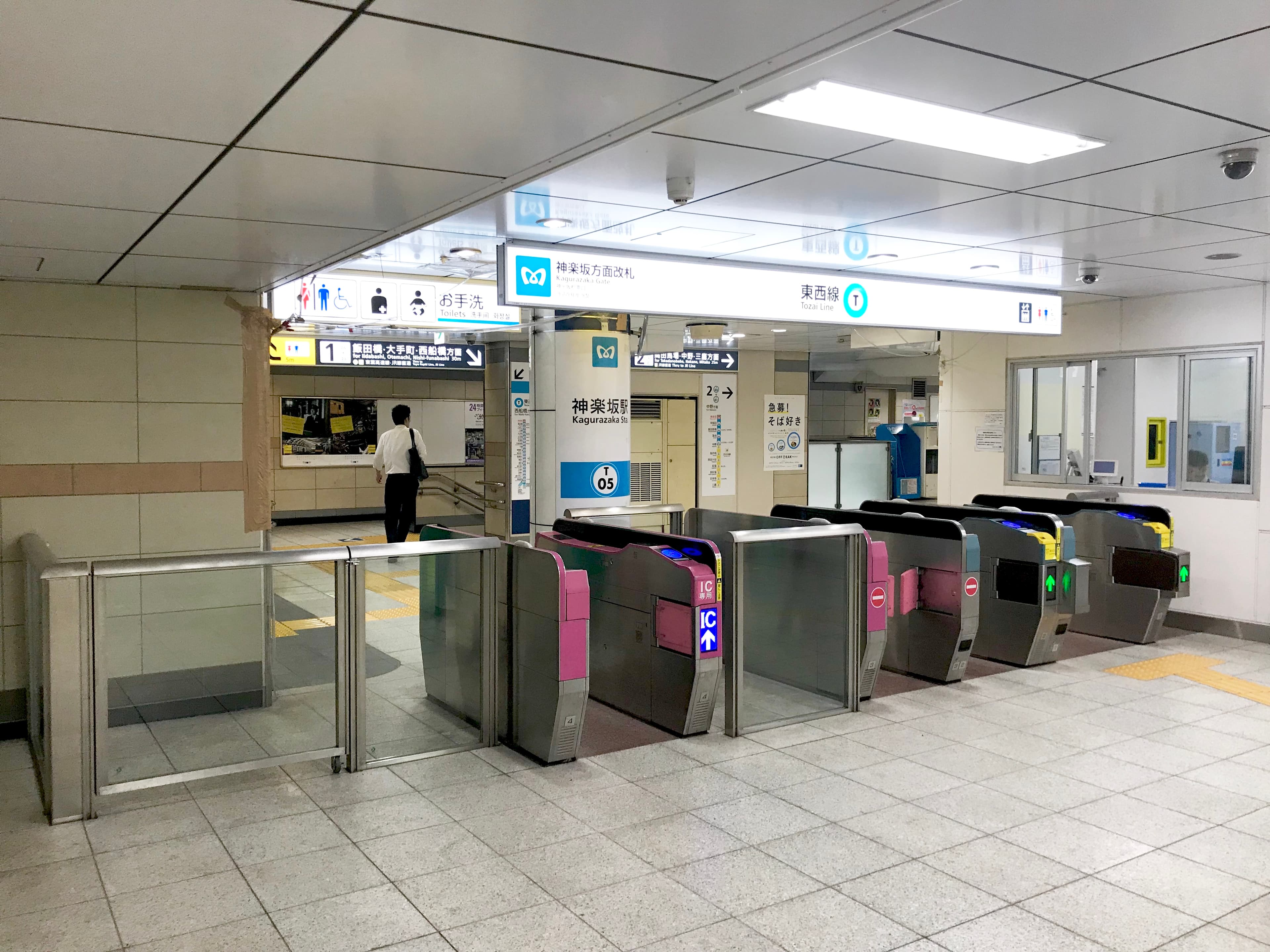
Kagurazaka is a good late-day neighborhood because it rewards slow turning: narrow lanes, small restaurants, old-meets-new details, and a mood that changes as lights come on. It is polished in parts, but still feels like a place to wander before dinner.
It closes Day 1 with neighborhood atmosphere instead of another major attraction.
Reserve ahead if you have a specific restaurant in mind. Otherwise, keep a couple of dinner options nearby and avoid crossing town again afterward.
Stop 04
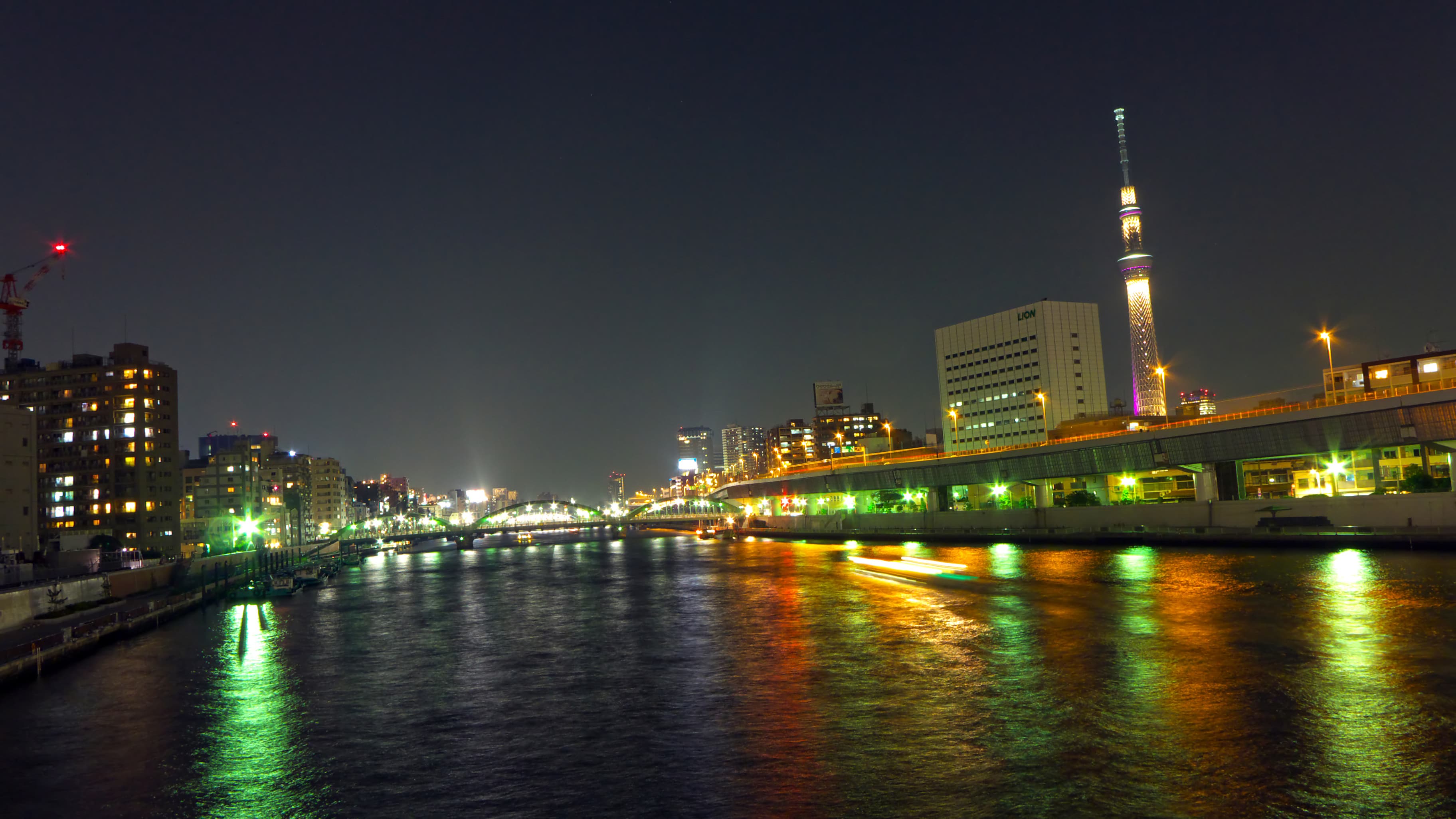
Kuramae has become a useful slow-morning base for cafes, stationery, leather goods, small design shops, and Sumida River air. The image here is a neighborhood river-view fallback, not a specific cafe or shop.
It gives the trip a contemporary east-side neighborhood without making the day feel crowded.
Pick one or two anchor shops or cafes, then leave room for walking. Check current opening days before visiting small stores.
Stop 05
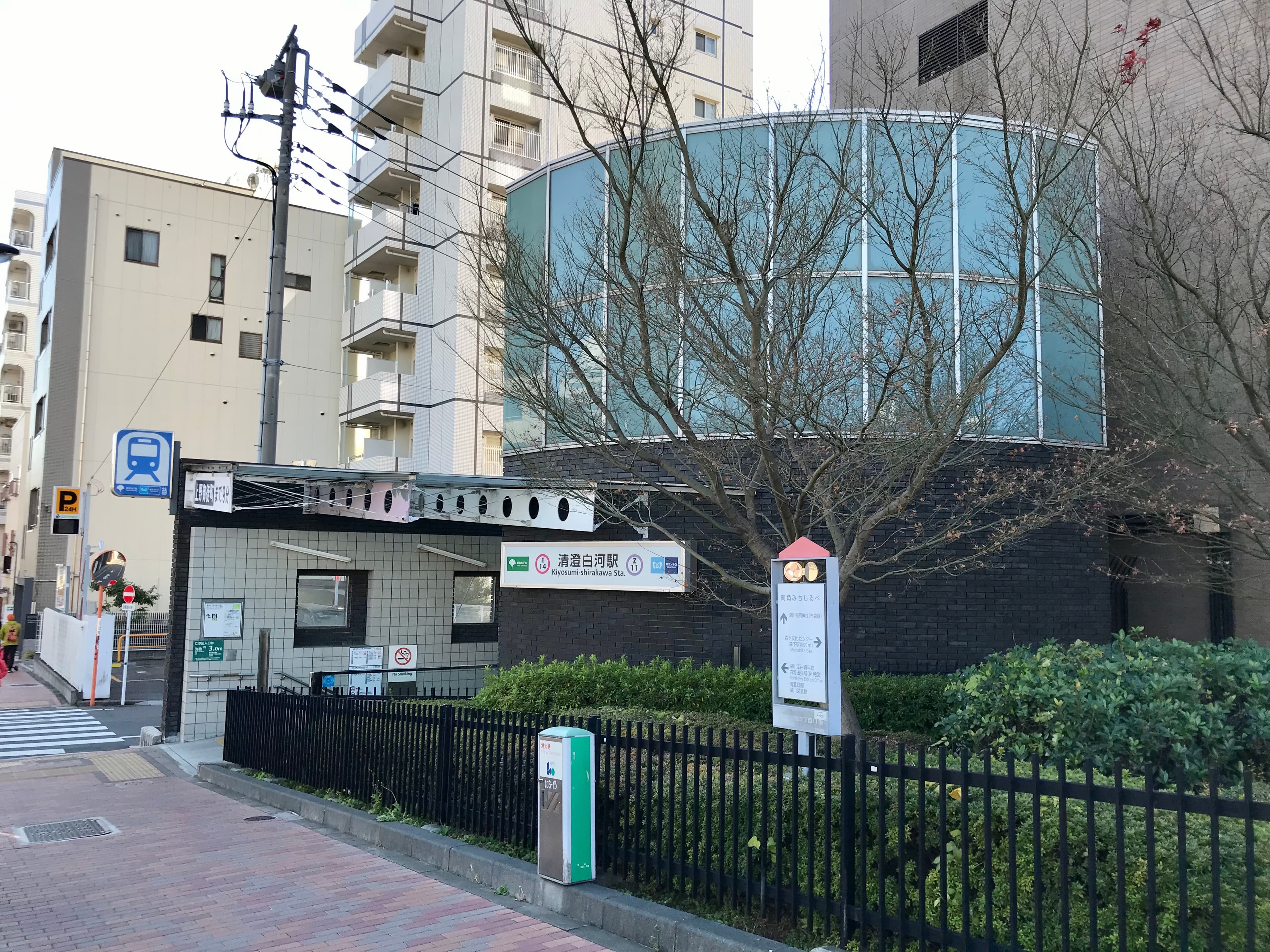
Kiyosumi-Shirakawa is a cafe-and-gallery kind of afternoon. It works well when you want a slower Tokyo neighborhood with coffee stops, quiet streets, and a softer rhythm after the more famous east-side areas.
It continues the day’s local texture without forcing a long transfer or a packed sight list.
Use this as a flexible block. If a cafe is full or closed, walk a little and switch to another nearby option.
Stop 06
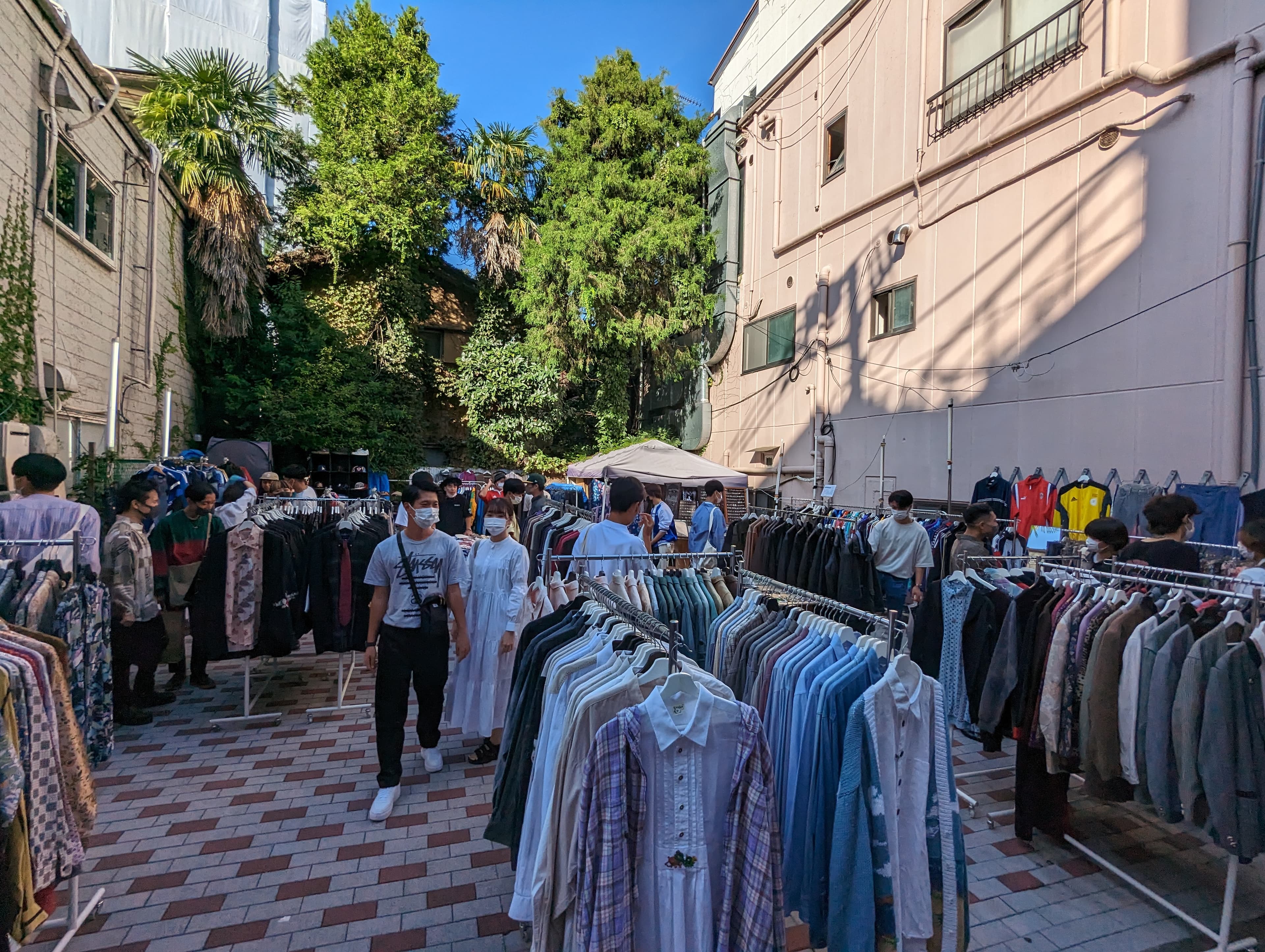
Shimokitazawa is best as a browse-and-snack neighborhood: vintage shops, record stores, small cafes, theater energy, and a casual street rhythm. It is easy to overplan, but the better version is to choose a few lanes and let the area unfold.
It gives the route a looser west-side day with personality and plenty of optional stops.
Many shops open later than breakfast hours. Start with coffee or brunch, then let shopping happen as shutters open.
Stop 07
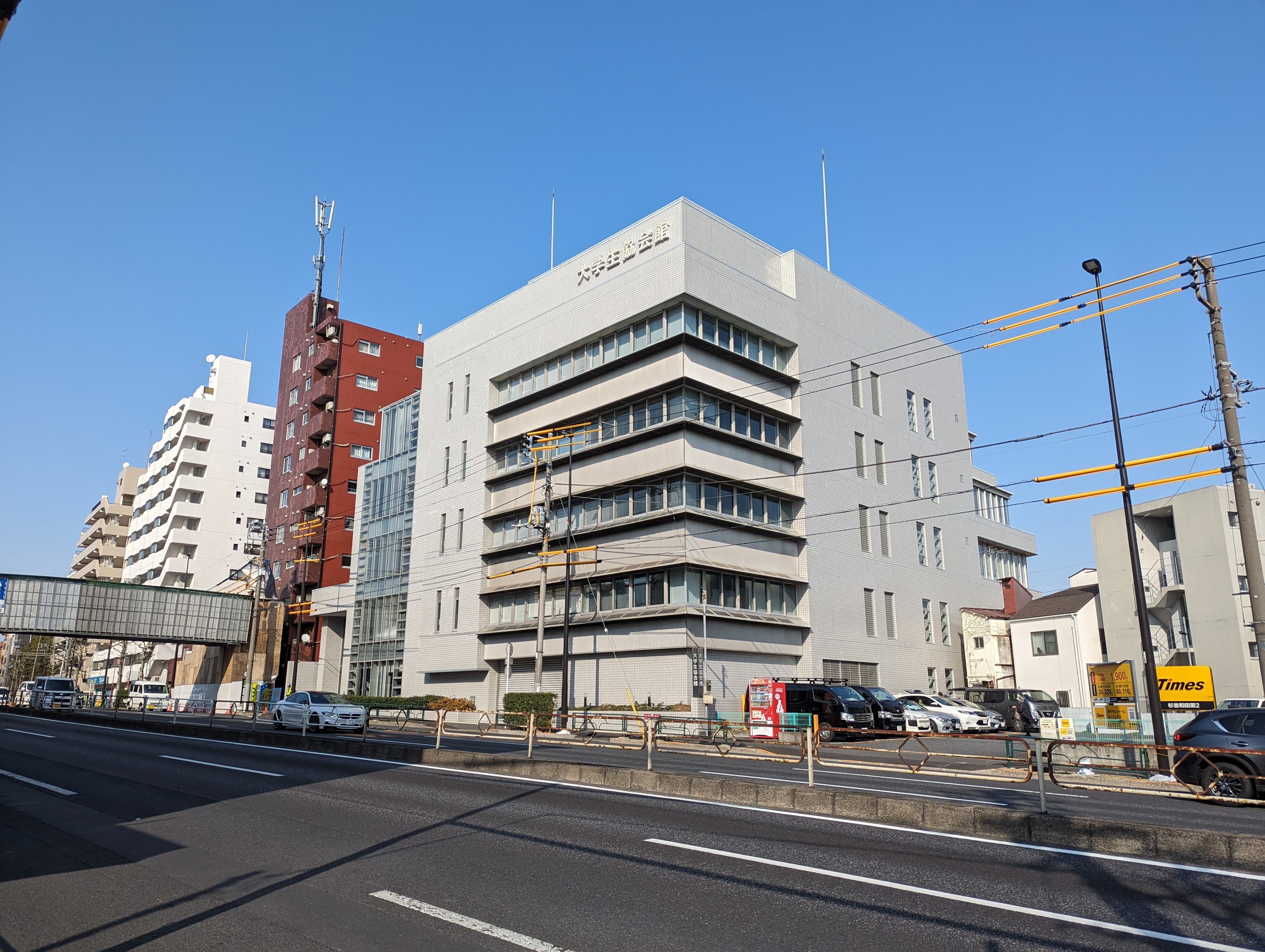
Koenji has a more lived-in edge: used clothing, music bars, shotengai streets, small eateries, and a local feel that is less polished than many central neighborhoods. Come for a relaxed wander, not a single must-see stop.
It keeps the final day neighborhood-led and gives a contrast to Shimokitazawa without leaving the west side of the city.
Evening is often more atmospheric. Keep transport simple and avoid scheduling a tight reservation across town right after.
Stop 08
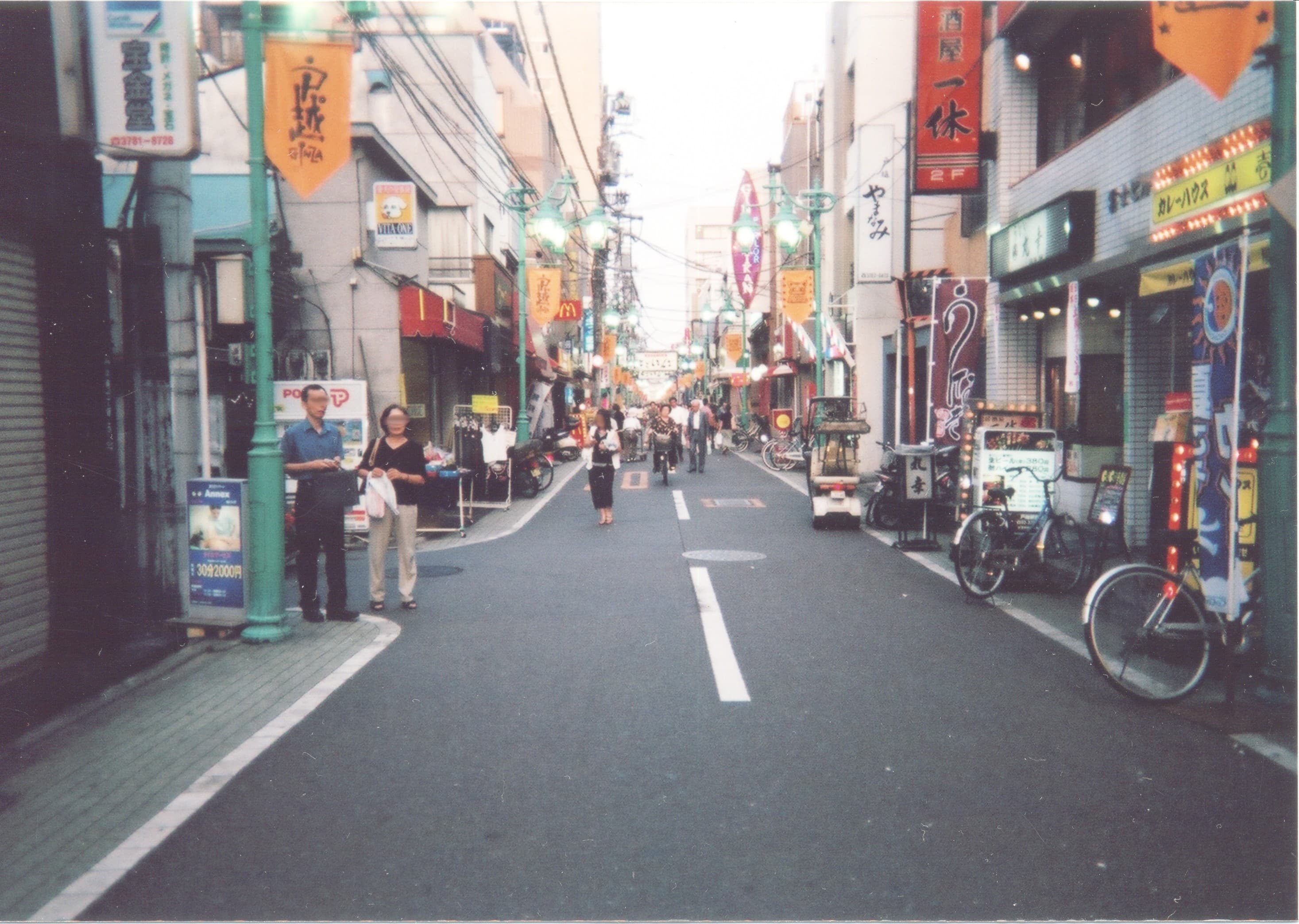
Togoshi Ginza is a practical food-street finish: croquettes, casual bites, neighborhood errands, and an everyday shopping-street mood. It is not fancy, which is exactly why it works here.
It ends the local-gems route with food and ordinary Tokyo texture rather than a big-ticket finale.
Use this as an optional final stop if the west-side day still has energy. Some food shops may sell out or close earlier than expected.
Repeat Tokyo visitors, cafe people, couples, friends, and travelers who enjoy neighborhoods more than landmark-heavy days.
Keep one main neighborhood cluster per half-day. The strongest version includes pauses, small detours, and the freedom to stay longer when a street feels right.
Tokyo rail makes these areas reachable, but station exits and transfers can still add friction. Cluster stops and avoid zigzagging.
Small cafes and shops may close on specific weekdays or open later in the day. Check current opening days before building the whole day around one place.
Open Aitin to personalize the route, save your trip, replace stops, export a PDF, and prepare before departure.
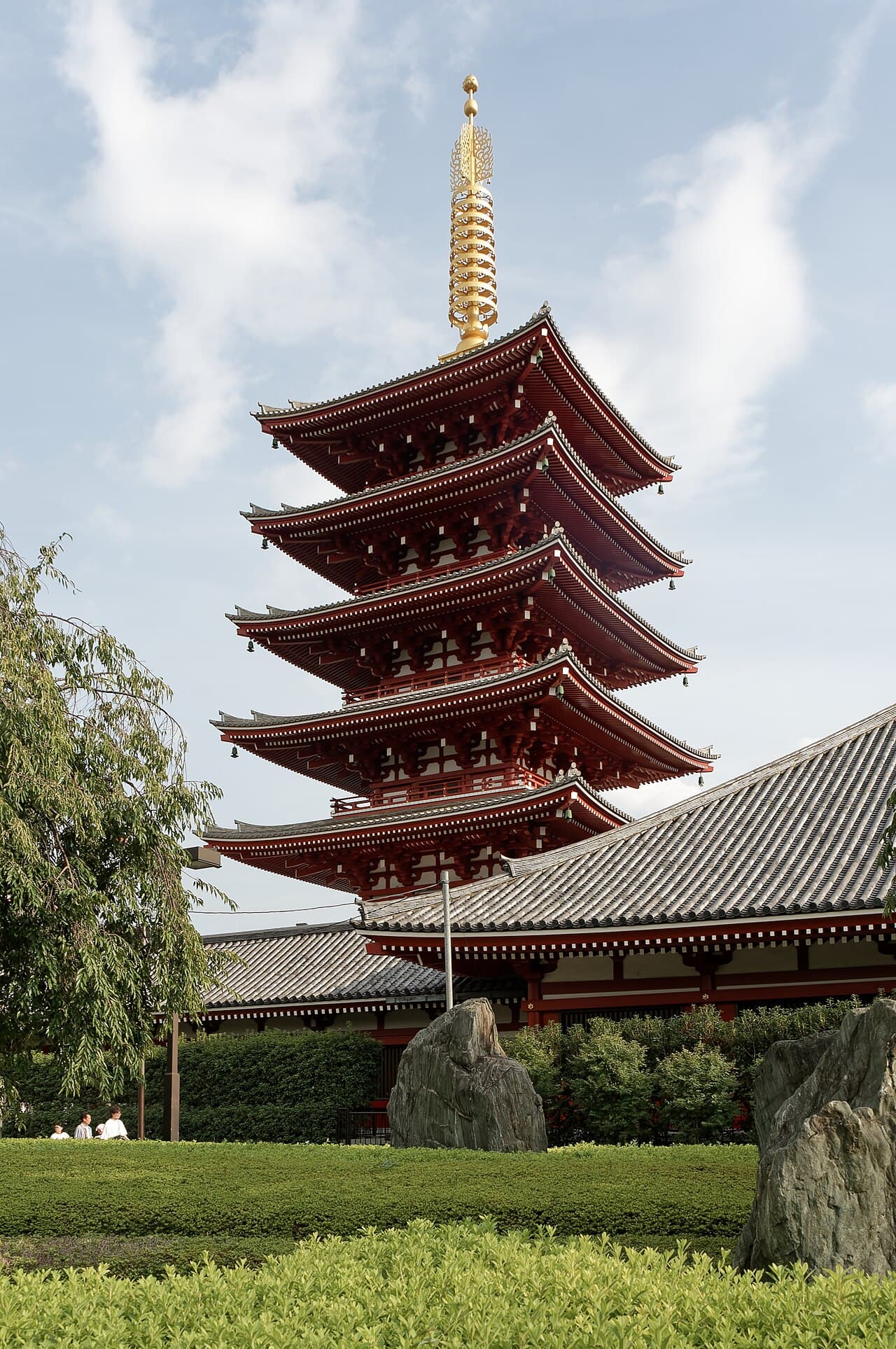
A classic Tokyo itinerary for first-time visitors who want iconic neighborhoods, food, culture, shopping, and easy pacing.
View trip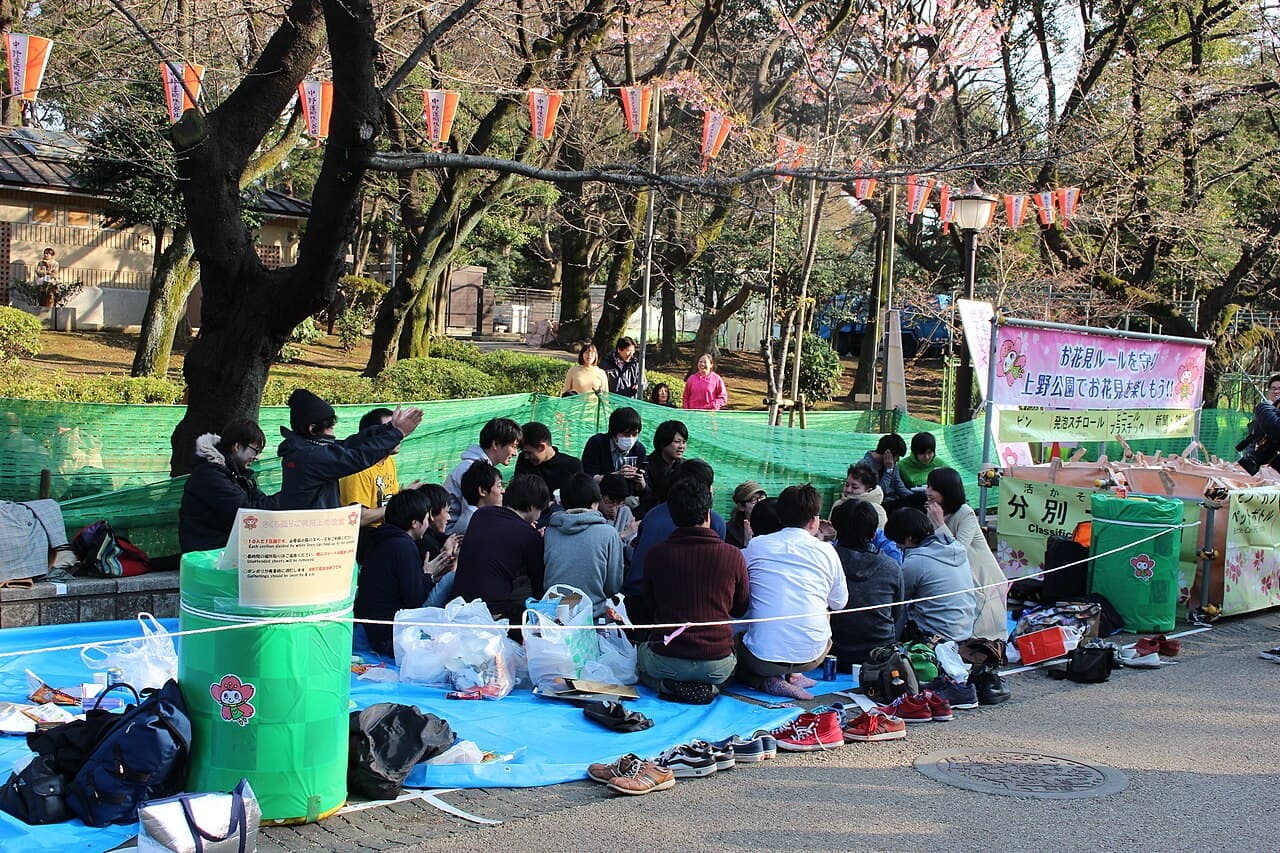
A family-friendly Tokyo itinerary with easier pacing, indoor breaks, playful stops, and flexible food options.
View trip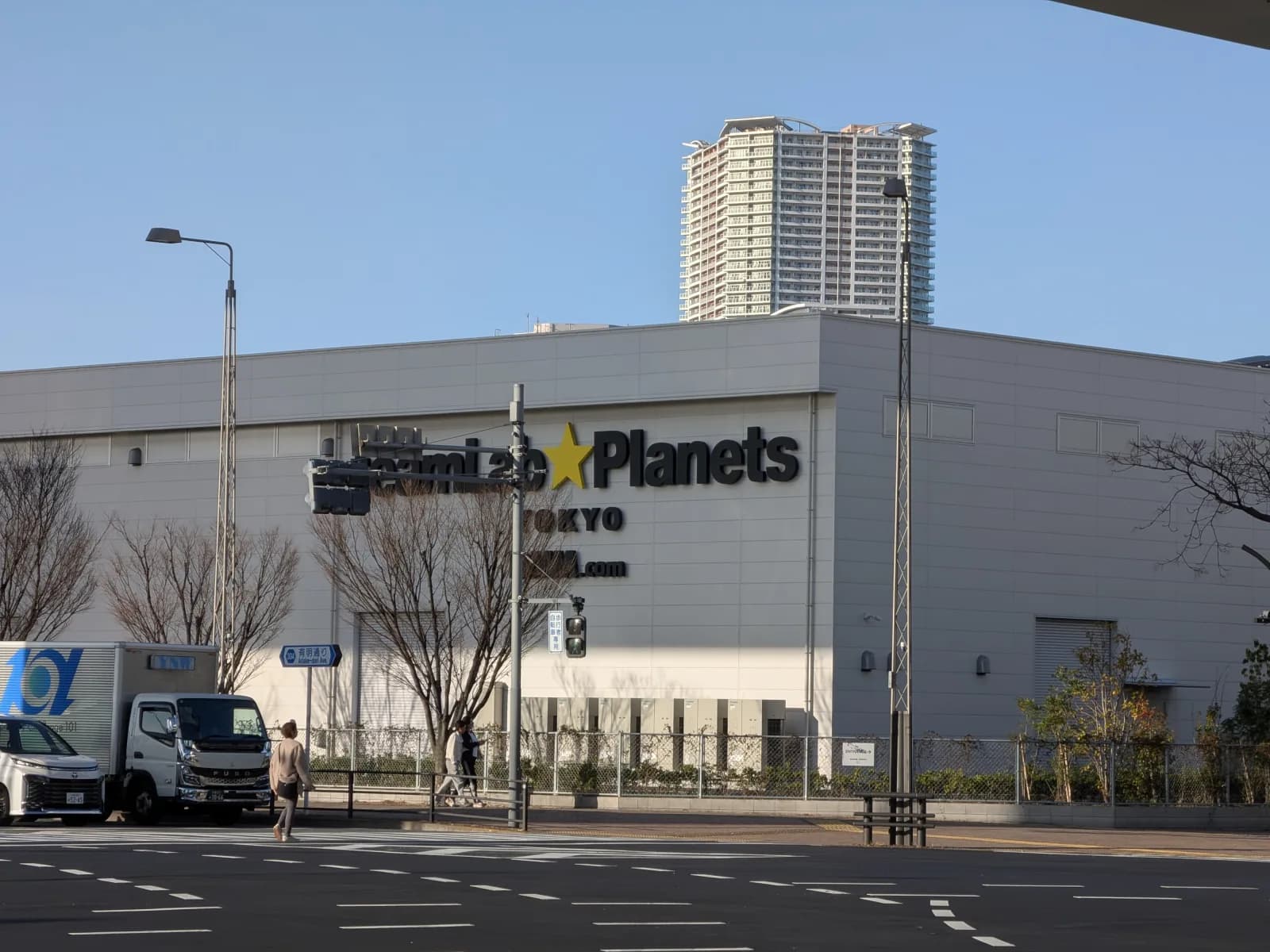
An indoor-friendly Tokyo itinerary for wet-weather days, with museums, food halls, shopping, cafes, and easy station access.
View trip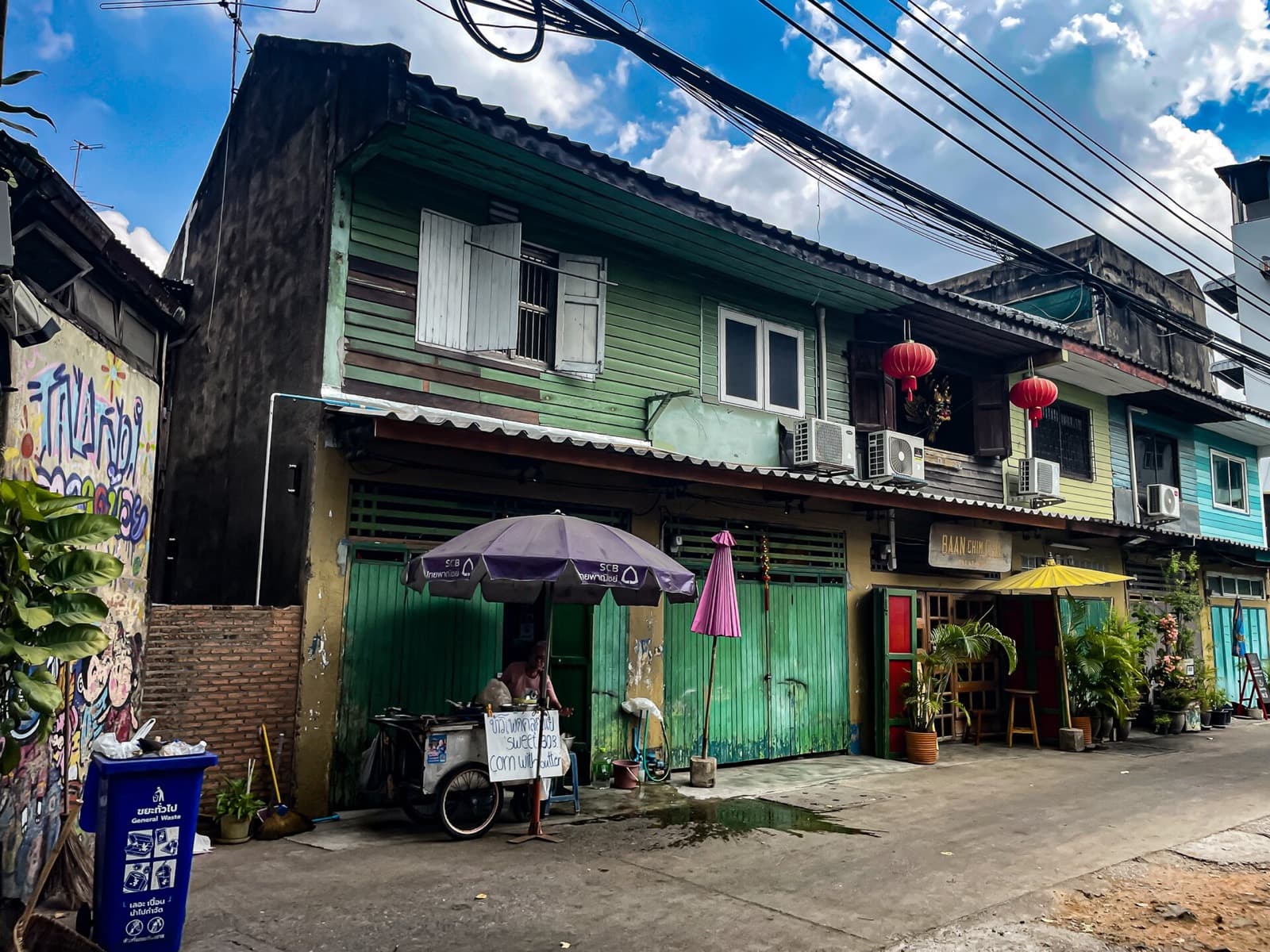
A local-leaning Bangkok route for food, neighborhoods, creative corners, and slower discovery.
View trip